

Canned asparagus can be a convenient, nutritious option for many people, offering many of the same health benefits as fresh asparagus while being shelf-stable and easy to incorporate into meals. However, its overall health value depends on factors like sodium content, processing effects, and how it's prepared or consumed. Below is a detailed exploration of whether canned asparagus is good for you, covering its nutritional profile, benefits, potential drawbacks, comparisons to fresh, and practical tips.
Nutritional Profile of Canned Asparagus
Canned asparagus retains a solid nutrient base from the fresh vegetable, though processing (heat from canning) affects some components. Typical values are based on drained solids, as most people don't consume the liquid.
For a standard serving of about 1 cup (around 240g) of drained canned asparagus:
· Calories: Approximately 40–50 (very low, making it weight-friendly).
· Protein: 5–5.5g (decent plant-based contribution).
· Carbohydrates: 6g (low, with natural sugars around 2–3g).
· Dietary Fiber: 3–4g (good source, supporting digestion).
· Fat: Minimal (under 2g, mostly unsaturated).
· Key Vitamins and Minerals:
o Vitamin K: Often high (supports blood clotting and bone health).
o Vitamin A: Present in notable amounts (eye and immune support).
o Vitamin C: Retained to some degree (antioxidant benefits).
o Folate: Good levels (important for cell function and pregnancy).
o Potassium: Around 400mg (helps with blood pressure).
o Iron: Contributes meaningfully (energy and oxygen transport).
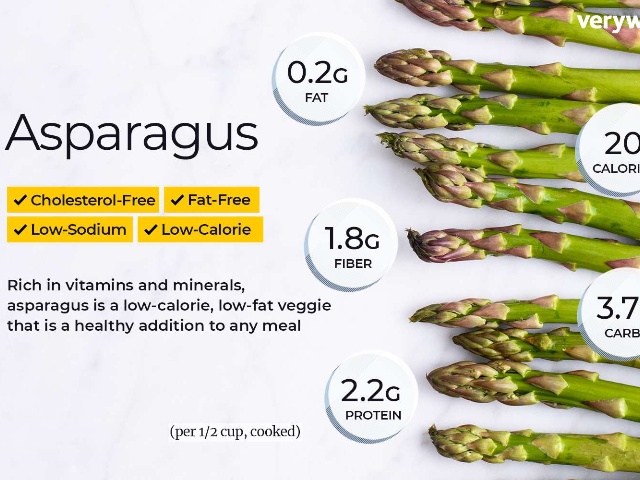
These align closely with fresh asparagus benefits, where half a cup of cooked fresh provides about 20 calories, 2g protein, 2g fiber, high vitamin K (over 50% DV), folate (around 30–35% DV), and vitamin C.
Canned versions often include added salt for preservation, leading to higher sodium—typically 300–700mg per cup drained (15–30% of the daily recommended limit of 2,300mg, or more for those limiting to 1,500mg). Low-sodium or no-salt-added options exist with far less (e.g., 190mg or lower per serving).
Health Benefits of Canned Asparagus
Asparagus, including canned, is nutrient-dense and low-calorie, providing several evidence-based advantages.
1. Rich in Antioxidants and Anti-Inflammatory Compounds Asparagus contains flavonoids, polyphenols, and other antioxidants that combat oxidative stress. These may help reduce inflammation linked to chronic diseases like heart disease, diabetes, and certain cancers. Studies highlight potential protective effects against cardiovascular issues, type 2 diabetes, and age-related conditions.
2. Supports Digestive Health The fiber (including inulin, a prebiotic) promotes gut bacteria balance, aids regularity, and may lower cholesterol or blood sugar. Fiber remains stable during canning, so this benefit holds strong.
3. Diuretic and Detox Support Natural asparagine acts as a mild diuretic, helping flush excess fluids and potentially easing bloating or supporting kidney function. Some use it for hangover relief due to this effect.
4. Heart Health Potential Potassium relaxes blood vessels, while fiber and antioxidants support cholesterol management and circulation. Low calories aid weight control, indirectly benefiting the heart.
5. Folate and Pregnancy Support High folate aids fetal development and red blood cell formation. Canned retains much of this water-soluble vitamin if the liquid is used.
6. Low-Calorie Nutrient Boost Ideal for weight management—filling yet minimal calories. It provides vitamins A, C, E, K, and minerals like iron without added fats or sugars.
Overall, canned asparagus contributes to a balanced diet, especially when fresh isn't available or affordable. It's a practical way to eat more vegetables.
(Imagine a close-up of vibrant green canned asparagus spears on a plate, highlighting their texture and appeal as a side dish.)
Potential Drawbacks and Considerations
While beneficial, canned asparagus isn't perfect.
· High Sodium — The biggest concern. Regular versions can push sodium intake high, risking blood pressure elevation in sensitive individuals. Always choose low-sodium varieties and rinse thoroughly to reduce it by up to 30–40%.
· Texture and Flavor Changes — Canning makes it softer (sometimes mushy) and less crisp than fresh or frozen. Color may fade slightly due to heat.
· Nutrient Losses — Heat processing reduces some heat-sensitive nutrients like vitamin C and certain B vitamins. However, fat-soluble vitamins (A, E, K) and minerals hold up well. Fiber and many antioxidants remain intact.
· Other Processing Notes — Some cans use BPA-lined interiors (though many brands now offer BPA-free). Draining and rinsing minimizes any minor leaching concerns.
For most people, these drawbacks are manageable—especially compared to skipping vegetables altogether.
Fresh vs. Canned vs. Frozen Asparagus
Fresh asparagus is ideal at peak season for maximum crispness and peak nutrients, but it spoils quickly and costs more off-season.
Frozen asparagus locks in nutrients at harvest (often comparable or better than fresh that's traveled far) with no added sodium.
Canned offers longest shelf life and convenience but with sodium trade-off and softer texture. Nutrient-wise, it's close to fresh when low-sodium and liquid-consumed (to recapture leached vitamins). Studies show canning has minimal impact on fiber, minerals, and vitamins A/E/K.
In short: All forms are healthy; choose based on needs—fresh for texture, frozen for nutrient retention, canned for pantry staples.
(Visual comparison: side-by-side of fresh green asparagus spears next to canned ones, showing differences in appearance.)
Tips for Enjoying Canned Asparagus Healthily
· Opt for low-sodium or no-salt-added brands.
· Rinse under water to cut sodium.
· Use the liquid in soups or sauces for retained nutrients.
· Pair with lean proteins, whole grains, or salads for balanced meals.
· Ideas: Add to omelets, stir-fries, casseroles, or blend into creamy soups.
· Limit if on strict low-sodium diets; consult a doctor for kidney issues (due to potassium).
Conclusion
Yes, canned asparagus is good for you—it's a nutritious, low-calorie vegetable packed with fiber, vitamins, minerals, and antioxidants that support digestion, heart health, and more. While fresh or frozen may edge it out in texture or certain nutrient peaks, canned provides reliable access to these benefits year-round. The main caveat is sodium, easily addressed by smart choices and rinsing. Incorporating it occasionally or regularly can enhance a healthy diet without much downside.